
08. What are ramps?
and are they worth the hype?

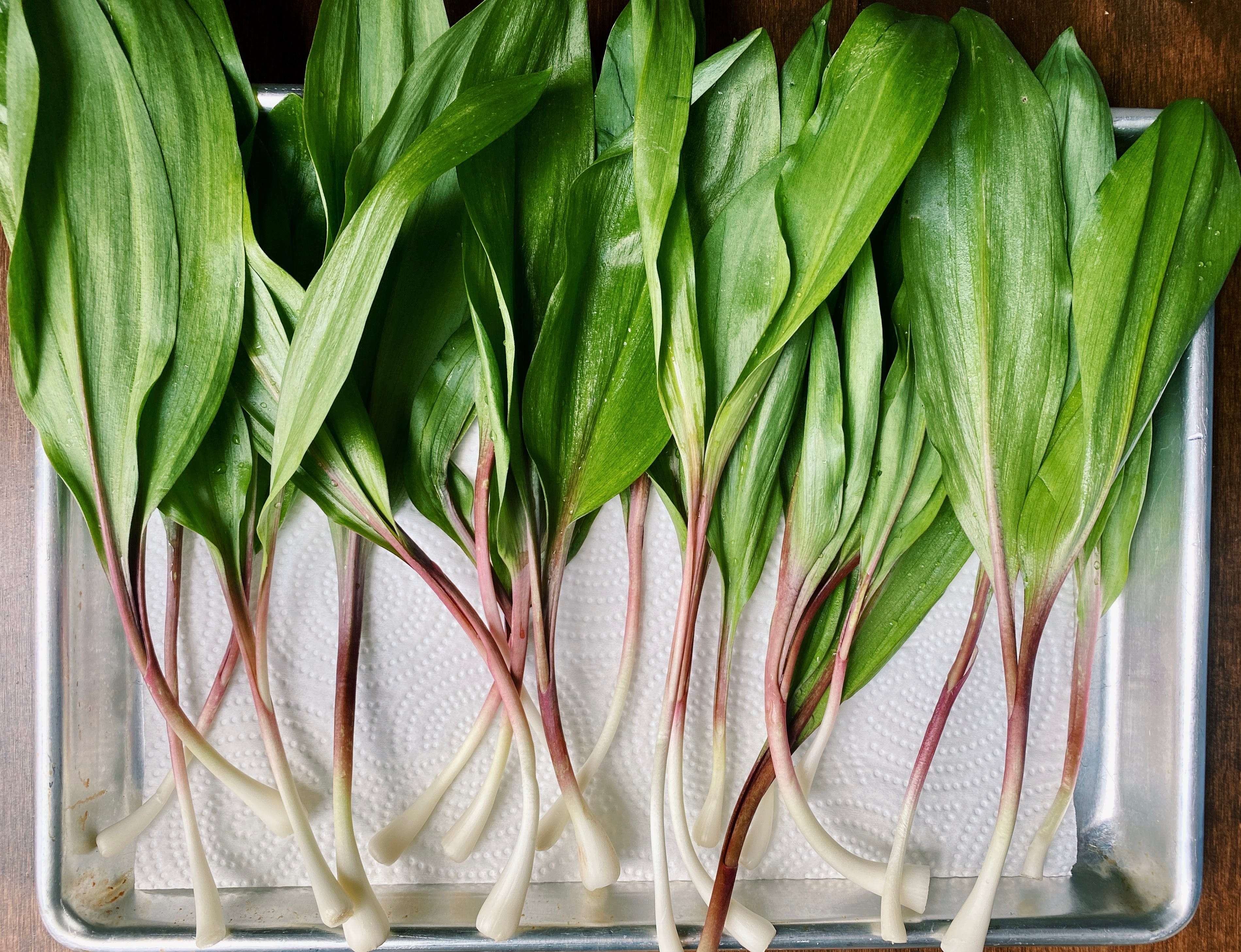
I would generally consider myself to be someone who rolls their eyes at *trendy* things. I wouldn’t ever call my taste “cool” in any way. I get a sick sort of satisfaction out of being aware of what’s happening in culture, but not participating in it. Ultimately, however, I am weak and will bend. I was 2 years behind on the TikTok of it all, and at least 5 years behind on Game of Thrones. But a hype I can fully understand: Ramps.
If you haven’t heard of ramps (often referred to as wild leeks), they’re leafy wild plants that grow in the woods of eastern and central U.S. and Canada. They’re similar to a scallion or a LEEK, but they pack a more pungent garlic flavor and aroma (truly, my apartment has smelled of nothing but garlic for the last 3 weeks). Also, the entire thing is edible - the bulb, stem, and the leaves. Are they delicious? Definitely. Can you do almost anything you would with ramps, but with regular garlic, scallions, or leeks instead? Absolutely. So, why do foodies and chefs freak out during ramp season?

For one thing, scarcity. Often the first signal that spring is underway, they're only around for a few short weeks between mid-April and the end of May, and are unavailable the moment the weather turns too warm; coming out of the woods to play for a bit, and disappearing before you know it (…relatable).
There’s also an air of adventure to these wild leeks. Because ramps need a very specific wooded environment to thrive and take years to grow, they must be foraged rather than farmed. If you aren’t foraging them yourself, you’re waking up at the crack of dawn to get to the farmer’s market before they run out (and no, you won’t see them at your local grocery store, though they can occasionally be found at wHoLe fOoDs). With this being said, it’s important that you’re buying from farmers practicing sustainable foraging. As is the case with most things humans get their hands on, wild ramps are endangered, being over-harvested more and more every year. Quebec even banned the commercial sale of ramps, which has led to a black market in ramp smuggling.
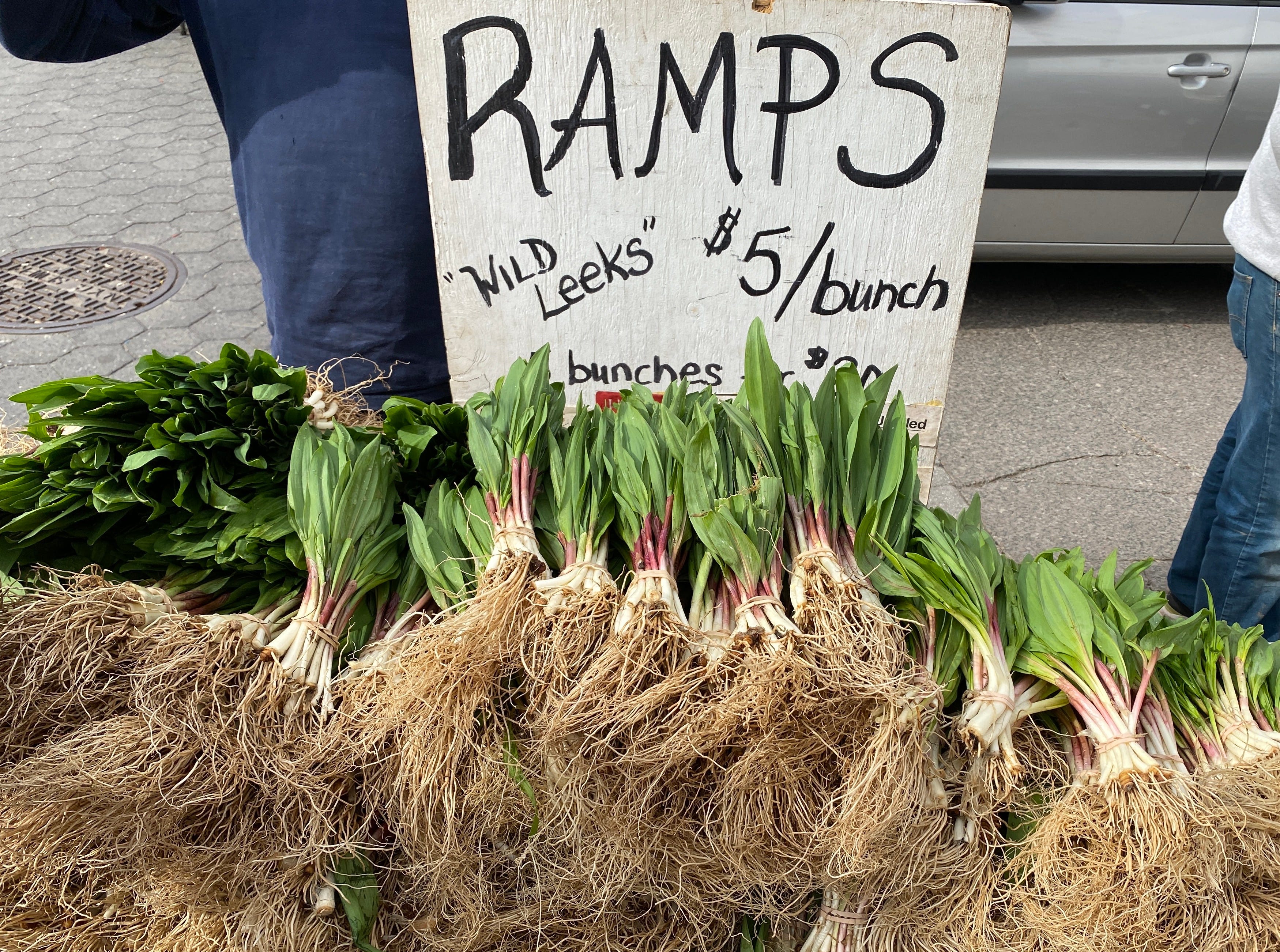
Clearly, ramps are special (and exclusive). The hype is real, and they’re meant to be enjoyed. But think of them as a seasonal treat. Take note: as they’re essentially a limited edition item, be prepared to cough up at least $20 per pound, or $5 a bunch. Buy a few (not too many) and get creative, making sure none of them go to waste.
Five things to do with wild ramps:
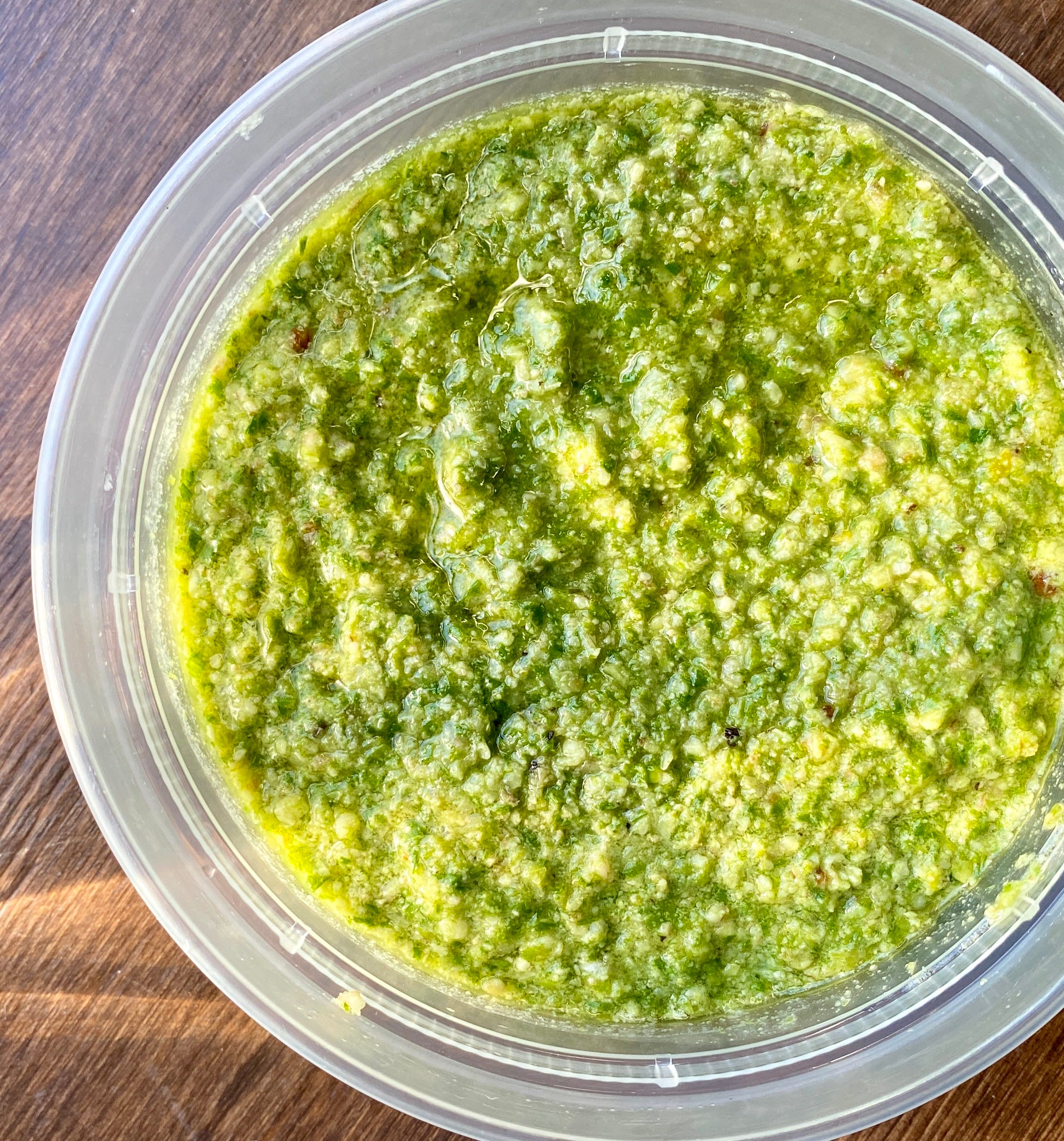
1. Make a pesto. Predictable, but delicious. After blanching the ramps in boiling water (not necessary, but keeps the pesto bright green and cuts some of the sharp garlic spice), blitz them with Parmigiano Reggiano cheese, toasted nuts (pine nuts, walnuts, pistachios, whatever you have), salt+pepper, and lemon juice in a blender or food processor. Stream in olive oil until just combined. I ate this for days — tossed with roasted potatoes, radishes, and twirled into pasta with split peas and bacon.
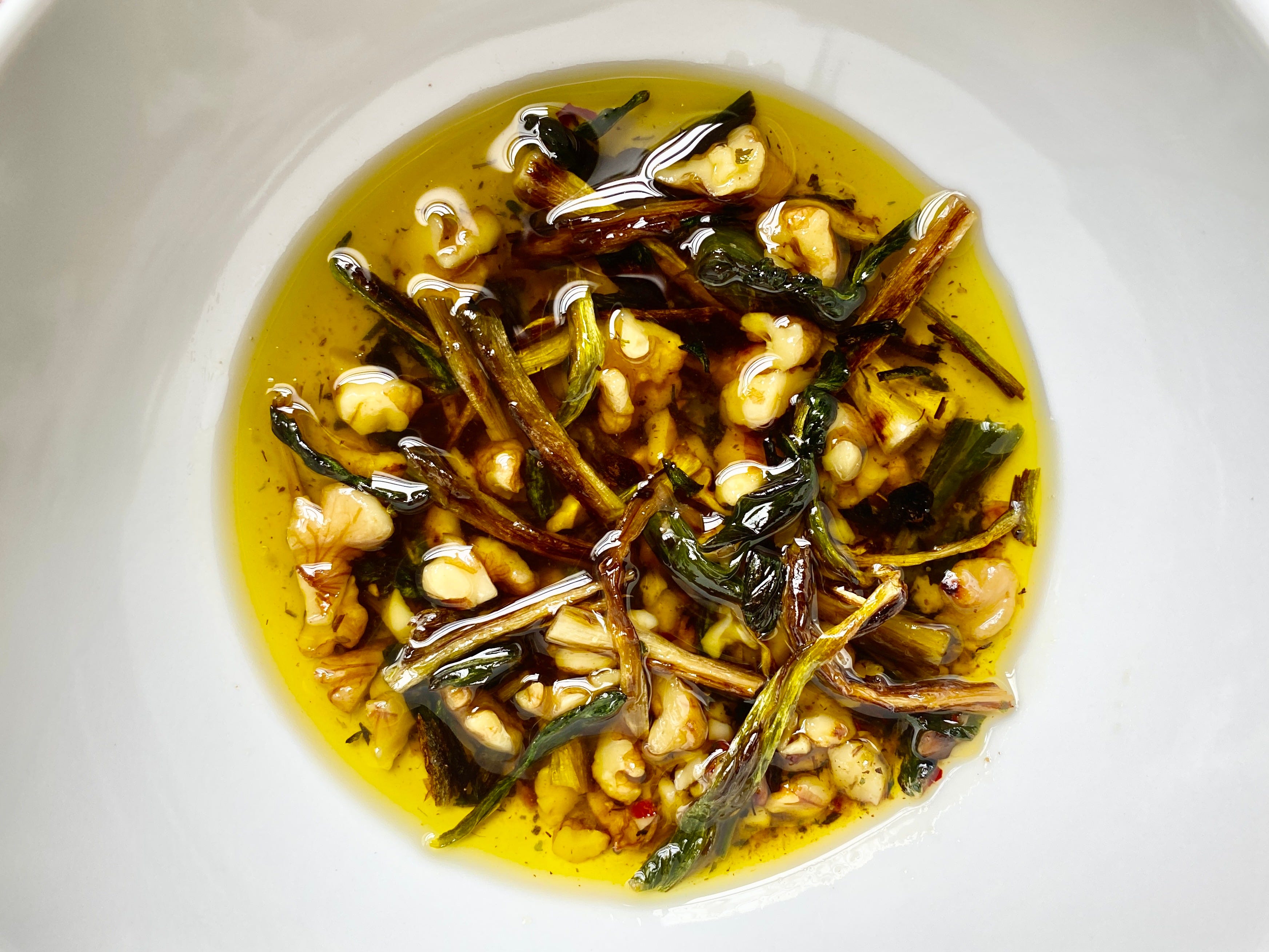
2. Sauté until they have a nice char, and use their strong flavor to infuse your olive oil. Use the oil as a base for dressings or aiolis. Maybe go the distance and make this Ramp and Walnut Pistou. Toast a handful of meaty walnuts, char a bunch of ramps in a skillet, then chop everything up and mix with a generous glug of olive oil, vinegar, chili flakes, and flaky salt. Spoon this over anything & everything — roasted salmon, steak, eggs. Yum.
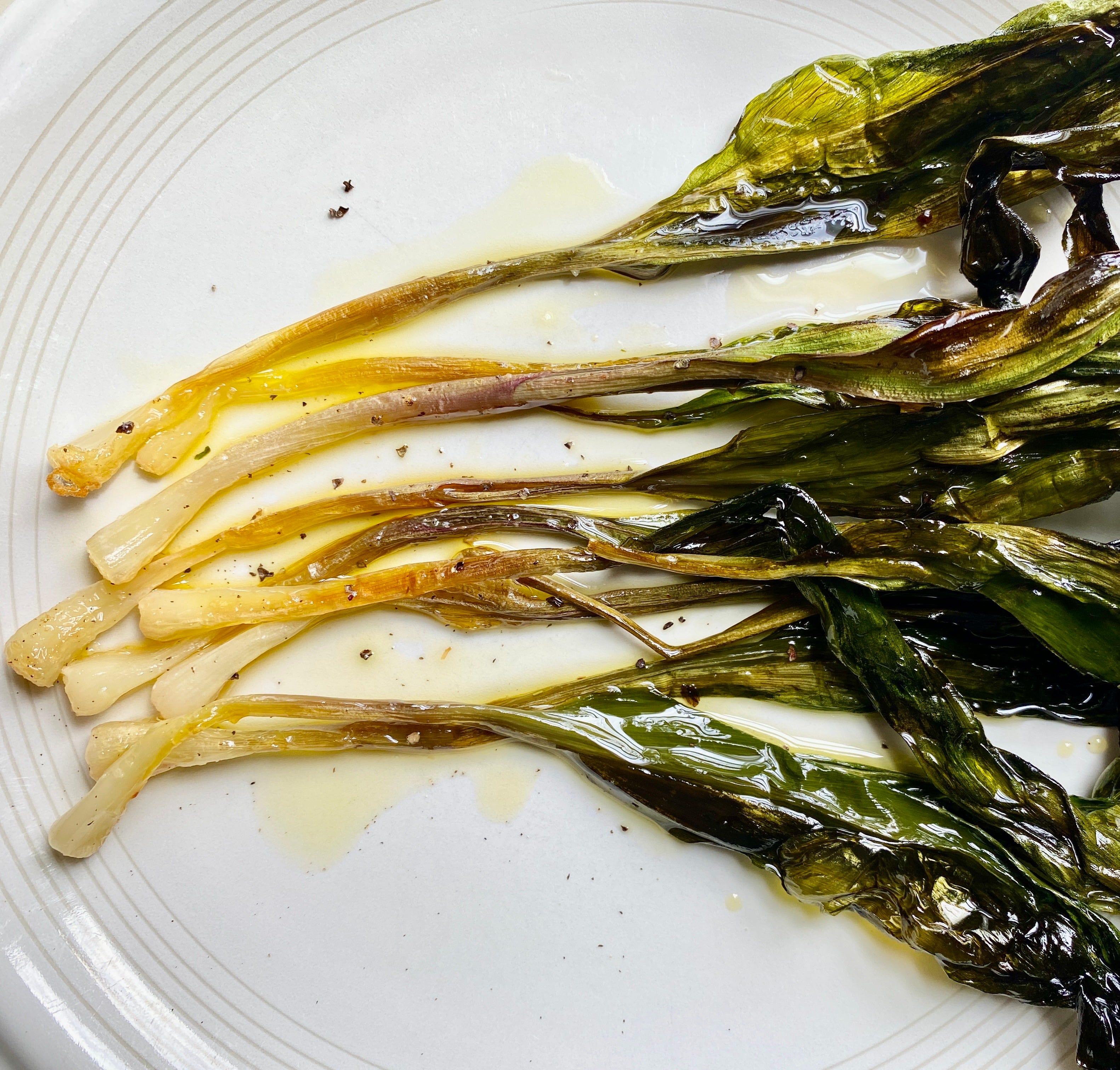
3. Roast (or grill) them; a personal favorite method. Toss them with olive oil, salt/pepper, and roast for about 20 minutes, until the bulbs have become soft & tender, and the leaves are nice & crispy. Maybe you roast them alongside a good spring chicken or a piece of fish. Or, better yet, give them a quick zest of lemon and serve as a simple and elegant side dish.
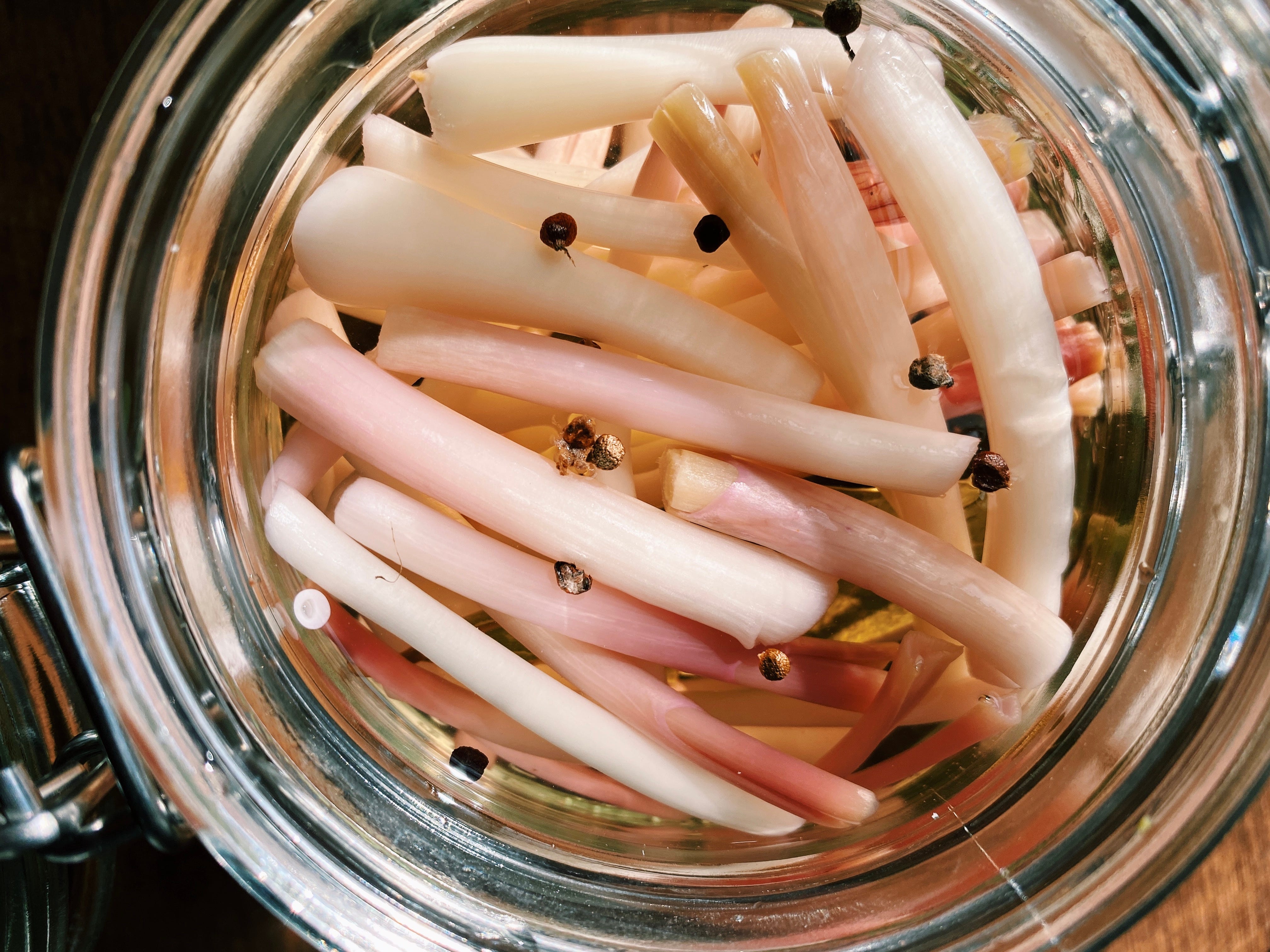
4. Pickle! One of the best ways to preserve your ramps and enjoy them beyond the spring. Use a simple pickling liquid of equal parts water & vinegar, plus a little sugar (or honey), boiling until the sugar is dissolved. Pack your ramp bulbs* in a clean jar, along with any aromatics you’d like (peppercorns, dried chiles, bay leaves, mustard/fennel seeds). Pour the pickling liquid into the jar and seal, allowing the solution to work its magic for at least a week. Eat your ramp pickles on their own, on top of ricotta toast, or chopped into tuna/chicken salad. Use the pickling liquid as a base for vinaigrettes.
*The ramp leaves can then be added to a stir fry, soup, wilted in with mixed greens, or sautéed on their own. Maybe fold them into a nice ramp frittata. I added mine to a delicious coconut and lemongrass curry.
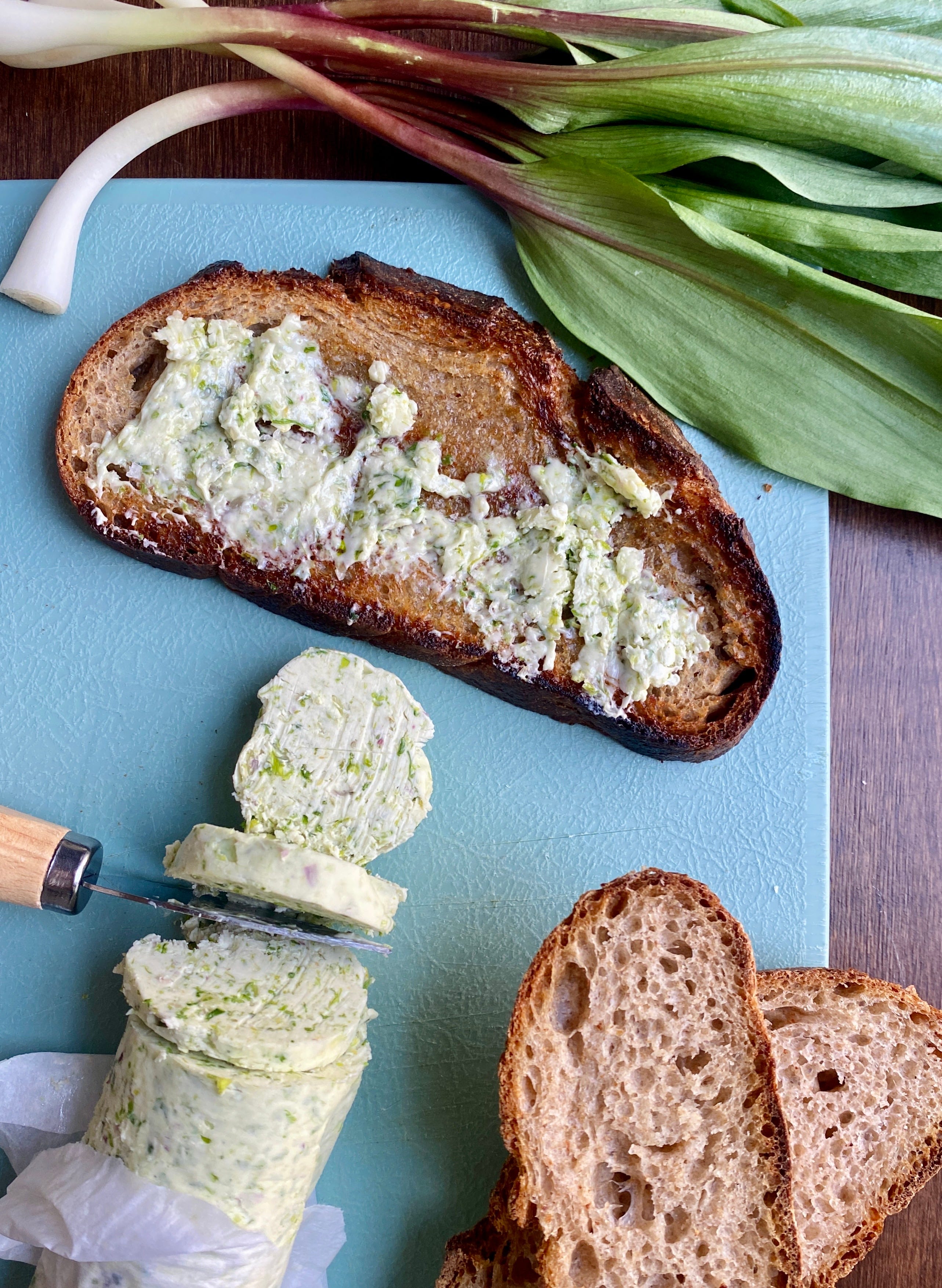
5. Make a rampy compound butter. Blanch your ramps and mix with unsalted butter, lemon zest, and flaky salt in a food processor (or by hand, really). Roll tightly into logs with parchment paper or plastic wrap, and store up to 4 months in the freezer. Spread it on toast, mix it into scrambled eggs, pile it onto a baked potato. You’ll smell like ramps for days.
The Playlist
I imagine the majority of you do not plan on going out to the woods to forage for your own ramps. But in the event that you do (which, please report back), I’ve created what I consider to be the perfect “wander aimlessly through the woods” playlist. It’s very John Denver meets Folklore (but not actually) meets Rusted Root. Pretend you’re Walter Mitty and it’ll all make sense.
LEEK Recipe Club
For various LEEK recipes, including this Rampy Compound Butter, head to the Recipe Club!
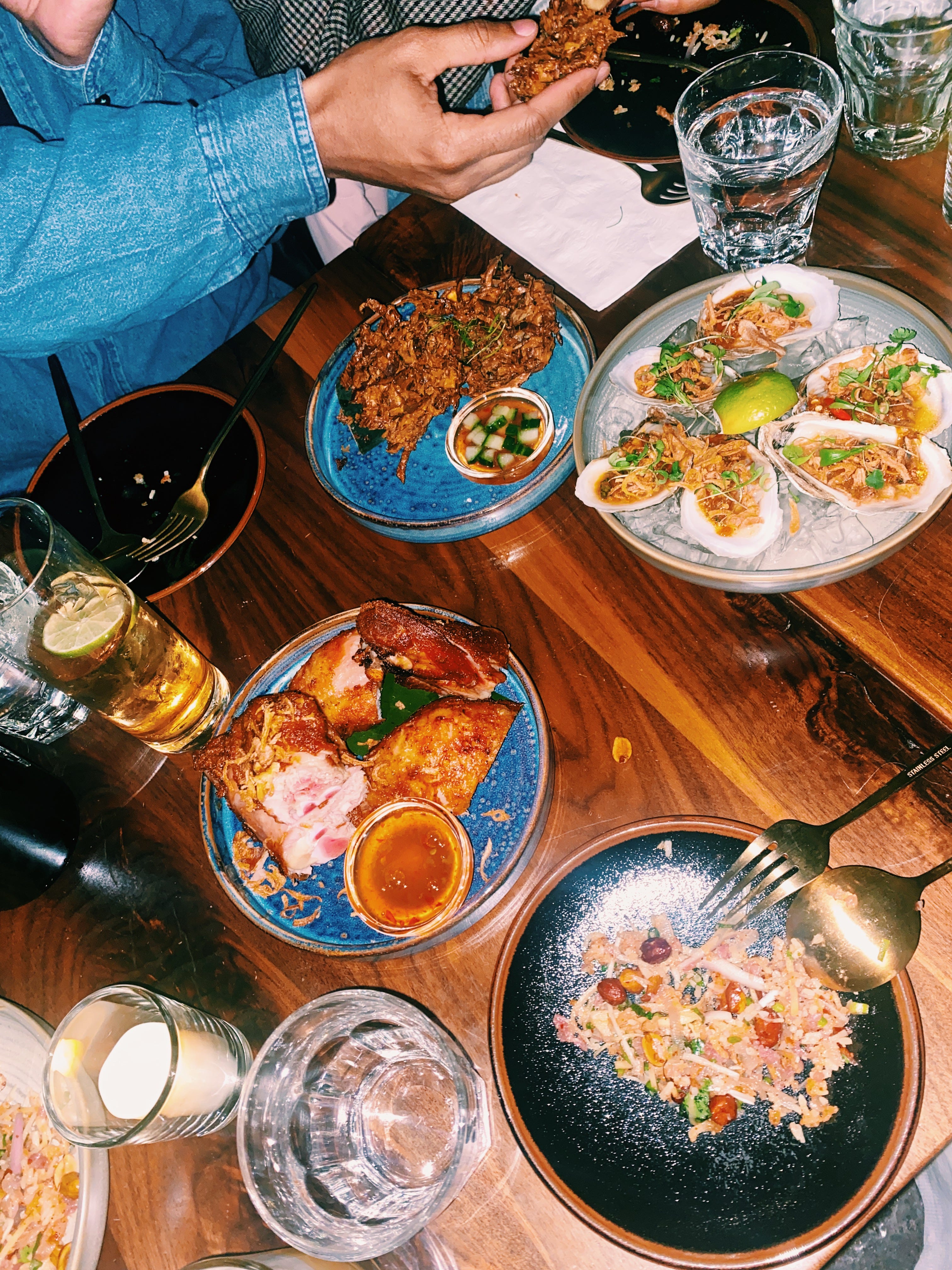
Also — I want to take a brief moment to shout out a Brooklyn Thai joint that has steadily entered my top-5 favorite restaurants: Tong. Some friends and I dined there earlier this week to celebrate my birthday. We ate hat yai fried chicken and larb gai and banana blossom fritters and the most delicious oysters with lemongrass and chili jam. Three years ago I spent my golden birthday drinking Changs and eating mango sticky rice on Khao San Road in Bangkok with a group of strangers I had met earlier in the afternoon. The tradition lives on …
LEEK is a semi-regular newsletter / market challenge / cooking journal / and community for folx curious about food, and what to do with it. If that sounds like you...